About the Institute
Leading the Future of Hebrew Urban Planning
Our Mission
MICHYA – The Institute for Hebrew Urbanism works to restore to the Land of Israel the art of human-centered building: beautiful, intelligent, low-rise cities that strengthen community, economy, and local identity. We advance research, policy, and planning practices that create Hebrew living environments - spaces of light, belonging, walkability, and human encounter. Our goal is to create a new Hebrew language of urbanism in Israel - one that connects past and future, aesthetics and functionality, identity and place.
Our Story
MICHYA – The Institute for Hebrew Urbanism was born out of a love for the Land of Israel and a deep recognition of Israel’s urban crisis. In recent decades, neighborhoods of identical towers have been built across the country - lacking beauty and lacking community - spaces that distance people from one another and weaken the social fabric. Instead of a living Hebrew city, we received an anonymous bubble of concrete and glass. MICHYA was founded to restore the soul of the Israeli city. We believe that Israel can - and must - be a global leader in designing human-centered urbanism: low-rise, dense, beautiful cities; shaded streets; environments that encourage walking, interaction, culture, family life, and social resilience. An urbanism rooted in the land, the climate, the culture, and local tradition. Hebrew urbanism. The Institute integrates research, planning, design, policy, and fieldwork. We develop new models for Hebrew neighborhoods, create innovative planning codes, and lead public discourse that elevates the conversation about the future of Israeli cities. MICHYA is a home for creators, planners, designers, and researchers who believe Israel can be more beautiful, more just, and more connected. Because Hebrew urbanism is not merely planning - it is the renewal of the people in their land. It is building a home for generations. It is creating hope. Over the years, we have developed a comprehensive design code guiding projects to be culturally sensitive, environmentally sustainable, and socially beneficial. Our work seeks to influence projects across Israel, from neighborhood streetscapes to full municipal master plans.
Over the years, we have developed a comprehensive design code that guides projects to be culturally sensitive, environmentally sustainable, and socially beneficial. Our work has influenced dozens of projects across Israel, from neighborhood streets to citywide master plans.
Core Values
Love of the Land
Deep connection to landscape, climate, stone, language, and local spirit. Urbanism growing from our land, not imported from foreign towers.
Beauty as National Tool
Recognition that form, material, proportion, and light create better and healthier society. Beauty creates resilience.
Community and Street Life
Cities designed for people: walking, conversation, meeting, children in streets, warm neighborliness, family life, and sense of belonging.
Humanity and Modesty in Built Environment
Buildings serving people, not people serving buildings. Comfortable, safe, and pleasant environment for all ages.
Urban Justice
A city enabling dignified living, affordable housing, humane transportation, and connection between all sectors.
Tradition and Israeli Continuity
Urbanism expressing Hebrew identity — local stones, alleys, courtyards, arches, shade, balconies, and song in the streets.
Professionalism and Deep Research
Every decision based on data, research, planning, and broad urban understanding in Israel and worldwide.
Art and Creation
The city as living artwork. Integration of planners, artists, designers, and creative communities.
Real and Local Sustainability
Energy conservation, climate adaptation, low dense shaded construction enabling car-free living.
Hope and Nation Building
Recognition that Hebrew urbanism is not just planning — it is building a future for generations.
Leadership
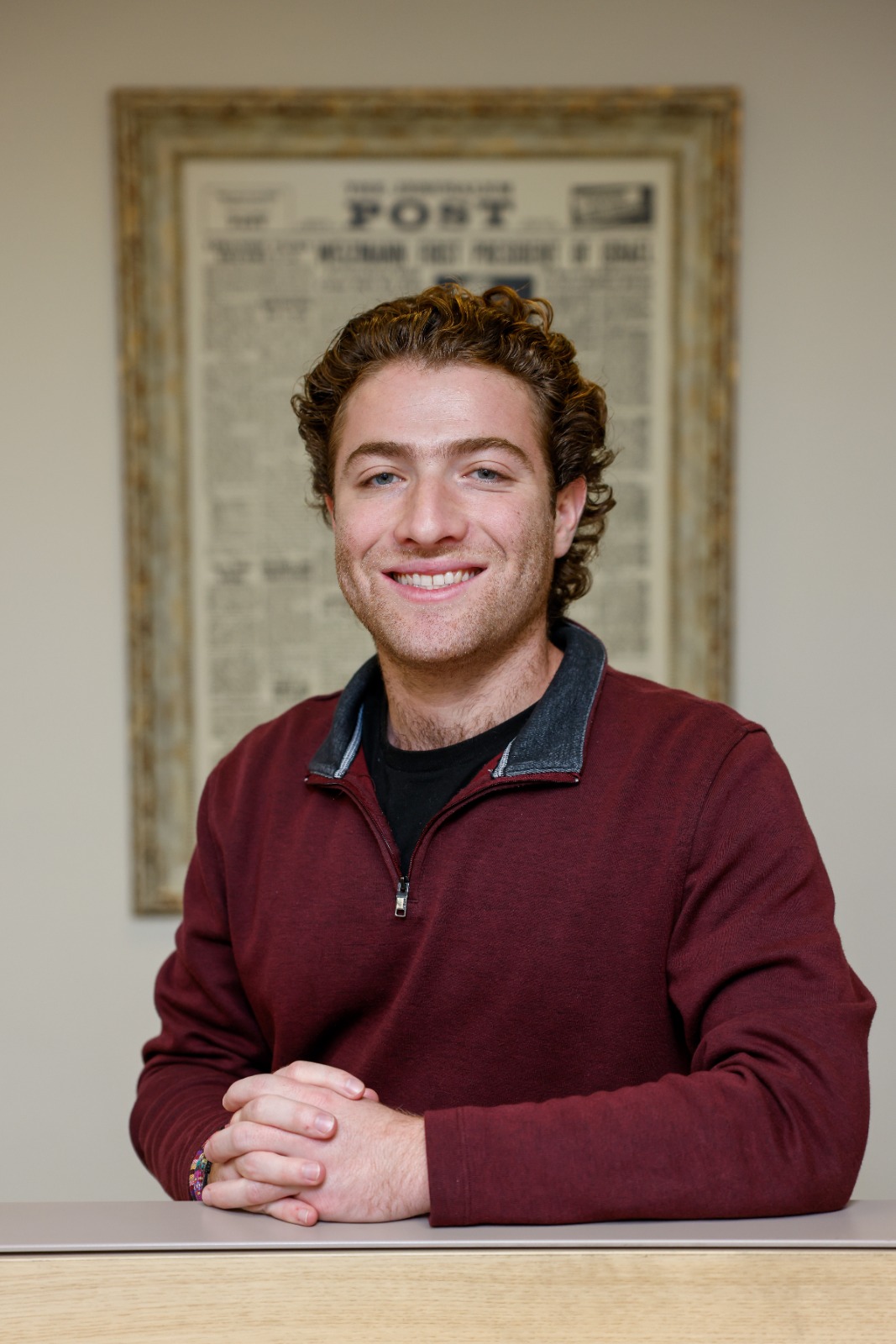
Ari Osher Pri-Tzadik
Founder & Director
Hebrew entrepreneur, writer, and innovator whose work spans real estate development, civic policy, journalism and technology. He previously led a successful tech startup in the consumer space, wrote for the Jerusalem Post and the Museum of Tolerance, and oversaw startup ecosystem in Jerusalem through Made in JLM. Today he develops national-scale urban visions—such as low-rise, high-density cities and Jerusalem revitalization plans—while also building consumer products like the Ner Tamid Shabbat lightbulb. Known for sharp strategic thinking, strong writing, and a deep commitment to strengthening Israeli society, Ari Osher blends creativity, public policy, and business acumen to advance ideas rooted in community, beauty, and long-term national resilience.
Professional Advisors & Planning Partners
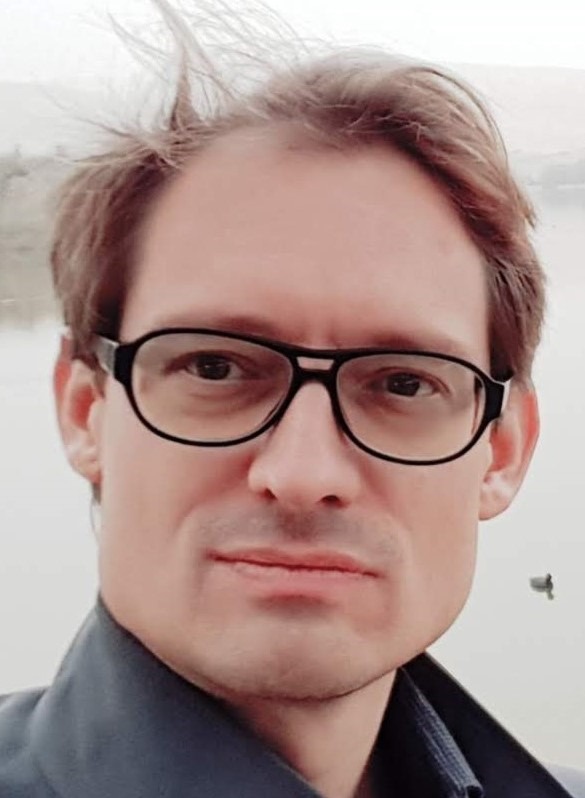
Ulrich J. Becker
Architect and urban planner
Architect and urban planner. Graduate of Bezalel (architecture) and the Technion (urban and regional planning); completed Jeff Speck's walkability workshop at Harvard. Member of Merhav and CPI, and a graduate of the Israeli Ministry of Interior's Tzo'arim program with the Rothschild Foundation for urban strategy and planning. Runs an independent planning and consultancy practice, advancing traditional-renewal planning and traditional architecture in Israel. Made aliyah from northern Germany in 2005; lives in Tekoa with his wife Osherat and their three children.
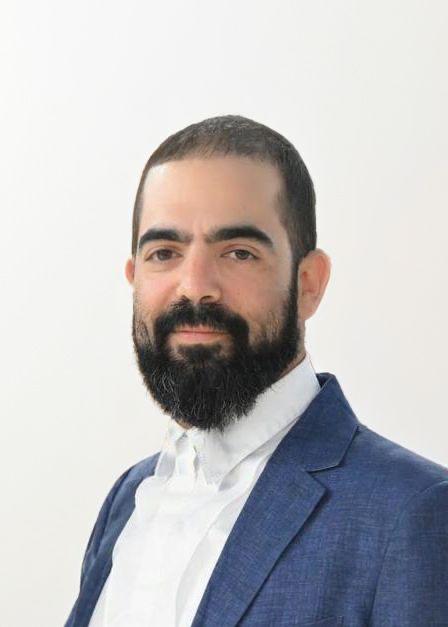
Yuval Cohen
Architect and Urban Planner
Yuval Cohen — architect, urban planner, and amateur photographer. Graduate of the Politecnico di Milano (B.A.) and Ben-Gurion University of the Negev (M.A. in architecture and urban planning at the Institutes for Desert Research). A member of the Merhav association for 20 years and a member of its board of directors. Works in planning and managing industrial construction projects and with interior designers. Born and based in Tel Aviv, and an avid amateur photographer.
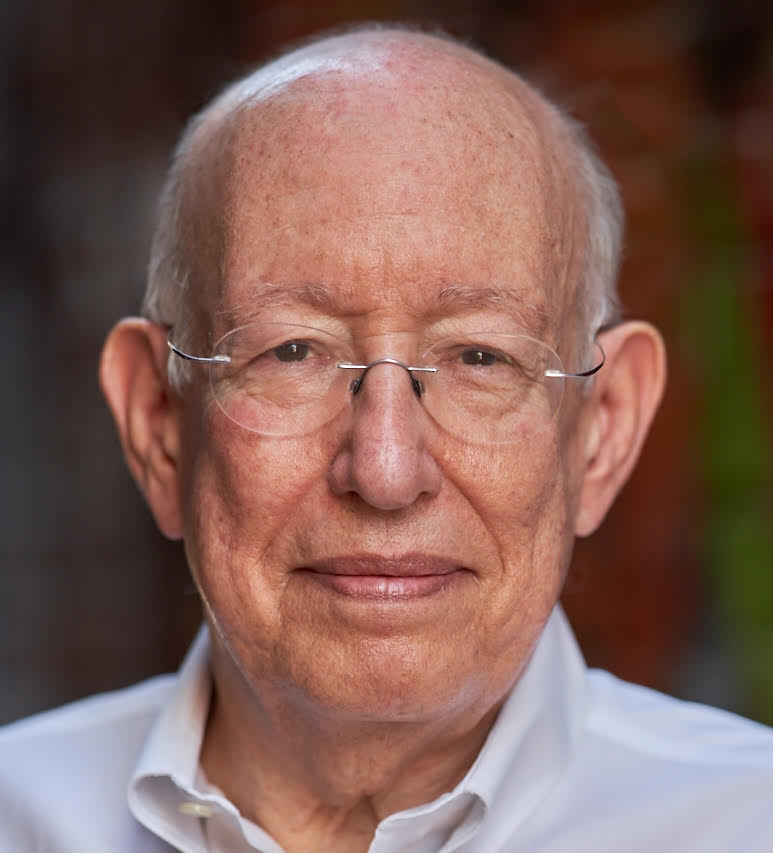
Dr. Nir Buras
Architect & Urbanist, Founder of the Classic Planning Institute
Dr. Nir Buras is a leading new traditional architect and urbanist, founder of the Classic Planning Institute, and author of The Art of Classic Planning. Among a handful of architects and planners with both classical knowledge and experience in large, complex projects, Dr. Buras designs towns, cities, and buildings. He runs experiments, holds workshops, and writes. Dr. Buras teaches Architectural Literacy and Classic Planning at the Classic Planning Academy, and is currently writing for Routledge a new book, The Neuroaesthetic City. Focused on the future, Dr. Buras helps communities, architects, and urban residents understand their cities better to make them more beautiful, resilient, and healthy.